Germany
Next attempt in the Bundestag on controversial organ donation rules
Published September 24, 2026
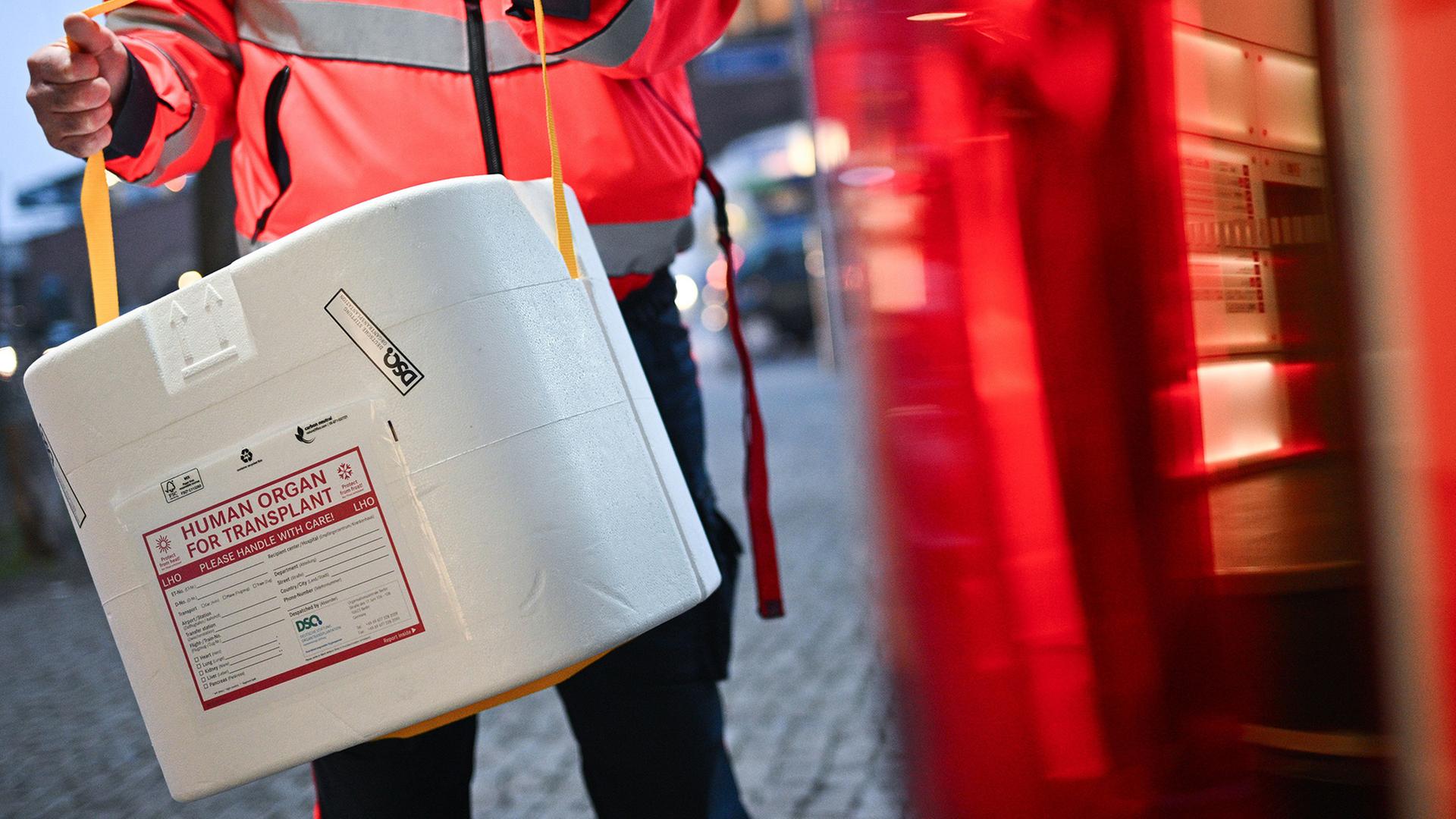
Controversial, emotional and personal: With a first reading, the Bundestag has begun to address the issue of organ donation anew. On one, everyone agrees - there are too few donations in Germany.
Controversial, emotional and personal: With a first reading, the Bundestag has begun to address the issue of organ donation anew. On one, everyone agrees - there are too few donations in Germany. In a debate partly underpinned by personal fates, the Bundestag discussed a new regulation of the decision on organ donation. An intergroup group of deputies introduced a draft for the introduction of an objection rule in the Bundestag.
It would mean that any adult person who has not expressly objected would automatically be considered an organ donor after death. So far, an explicit yes is necessary for withdrawals. Another group strongly opposes this and put forward a counterproposal. Advocates want donation as a rule For the proponents of the contradiction rule, it is already the third attempt - after a first initiative failed in the Bundestag in 2020 and a second one was no longer put to the vote because of the early election in 2025.
The group of MPs from the CDU, CSU, SPD, Left Party and Greens argues that many improvements in recent years have not led to a significant increase in donor numbers. A donation should therefore become the "rule". In the future, organ harvesting from adults and people capable of giving consent should be permitted even if they have "not objected". Enhanced reconnaissance is planned.
In the Bundestag, there is also a draft law of the Bundesrat, which aims to introduce a contradiction regulation. The North Rhine-Westphalian Minister of Health Karl-Josef Laumann (CDU) said: "The problem is simple, we have far too few organs." Despite new approaches to education and documentation, the situation has not really improved. An adult can be expected to document how he stands for donation. Very personal reports Bodo Ramelow from the Left Party spoke "as a father" before the deputies and described the fate of his daughter, for whom he himself had donated his bone marrow.
As a supporter of the contradiction solution, Ramelow appealed to citizens to make a conscious decision on the question of organ donation. The Green MP Michael Kellner described the story of a friend who received a liver in 2009 and was able to live on for 17 years. She died this year. “A second donor liver could have been their salvation.
But we still have too few organs in 2026." The contradiction rule is the solution in the vast majority of European countries," said Kellner. Germany goes a special way here, but benefits above average from organ donations from abroad. “This is ethically difficult for me to justify." As the opponents argue, a second group of parliamentarians also wants to come to more organ donations - but through more education and calls for decisions. It strictly opposes the objection rule.
Silence should not be interpreted as consent, is a core argument. With an application, the group aims, among other things, that all citizens are asked "promptly" after their 18th birthday to comment on their willingness to donate and to record their will - in addition to yes and no, also "undecided". "Socialization of the body" Michael Brand (CDU) said that positive approval is needed everywhere, even when using websites.
"With the organs, of all things, do we want to turn it around now?" There are many concrete steps you can take to save lives. To date, a reasonable online campaign to inform and convince is lacking. AfD deputies Christina Baum and Martin Siechert also fear excessive interference by the state in the rights of citizens to self-determination. The objection solution was "simply unconstitutional," Siechert said.
The Green MEP Sven Lehmann said that more donors were needed. But such a sensitive question should remain "a decision that a person must actively affirm". The contradiction regulation means "essentially nothing other than a socialization of the body". What the prospects are The draft law per objection regulation is supported for the introduction of 254 deputies - the Contra motion by initially 58 deputies.
However, it remains to be seen in the coming months what majority conditions will ultimately develop in the Bundestag with a total of 630 members. This is followed by committee deliberations on the initiatives before a vote in plenary - as is often the case with difficult ethical issues without the usual group discipline. 8,200 people on waiting lists organs such as kidneys, livers or hearts for seriously ill patients are urgently needed. Last year, 985 people released one or more organs to others after death, according to the coordinating German Foundation for Organ Transplantation.
This was the highest level since 2012. At the same time, 8,200 people were on waiting lists at the end of 2025. In general, it is considered a problem that many people are generally positive about organ donation, but do not hold a will to do so. The burden of a decision then falls on relatives of the deceased.
You can document a basic yes or no to organ donation after death on an organ donation card, in a living will or otherwise on paper. Since March 2024, it has also been online: on the portal www.organspende-register.de, you can digitally document your attitude from the age of 16. There are currently almost 633,000 explanations, as announced by the Federal Institute for Drugs and Medical Devices as the operator. 82 percent agreed unreservedly to organ harvesting, and it is only possible for certain organs.
An objection was filed by 8.7 percent.