Germany
Linnemann rejects the "care cover" demanded by the SPD
Published September 27, 2026
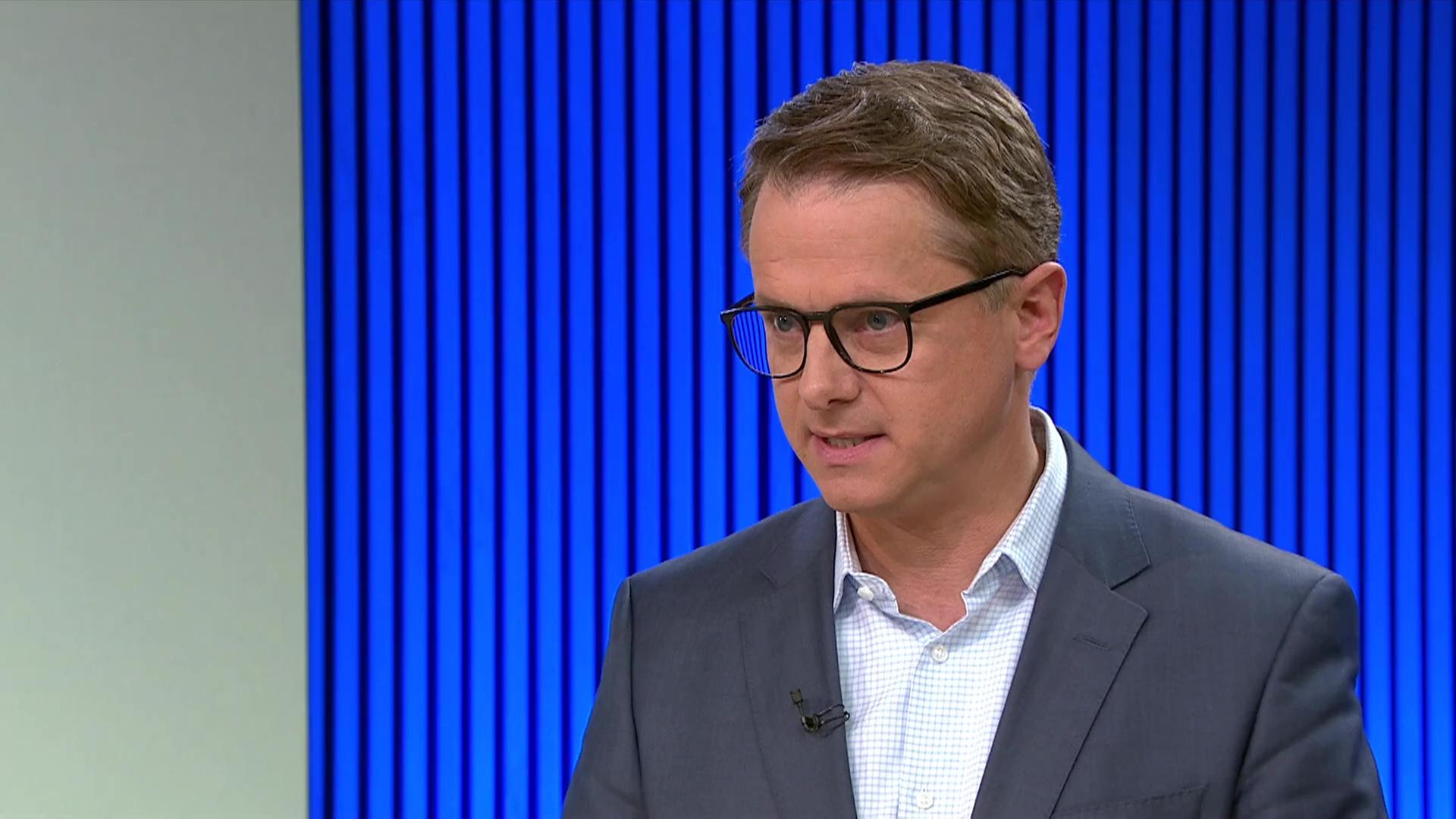
The SPD threatens to block the planned care reform - and calls for changes. But from the point of view of Health Minister Linnemann, these offer no solutions. He believes an agreement is possible despite the dispute in the coalition.
The SPD threatens to block the planned care reform - and calls for changes. But from the point of view of Health Minister Linnemann, these offer no solutions. He believes an agreement is possible despite the dispute in the coalition. The care reform is one of the largest reform projects undertaken by the black-red federal government.
And is one of the biggest challenges for Carsten Linnemann. The CDU politician has now been Minister of Health for just two months. The draft for the reform still comes from his predecessor Nina Warken. And the plans should actually be decided in the Federal Cabinet next Wednesday - the first hurdle so that they can go to the Bundestag for a vote.
But it is precisely from the coalition partner SPD that the loudest resistance to the reform package in its current form has come in recent days. Therefore, in the "Report from Berlin", the Minister of Health first of all tries to emphasise the common line. "When it comes to caring relatives, I make no concessions," emphasises Linnemann. This is about four million people nationwide who care for relatives at home.
These people "support the complete system, they are the silent heroes of our everyday life". SPD wants to block "pure austerity package" But despite such assurances, the SPD fears exactly that: that the reform package will become a "pure austerity package". And this will not be supported by the party's parliamentary group, warned its chairman Matthias Miersch in the Bild. Means: The SPD threatens to block the bill if no further changes are made.
And the number of critics within the SPD is getting longer and longer. These include General Secretary Tim Klüssendorf, SPD parliamentary group deputy Dagmar Schmidt, Saarland Prime Minister Anke Rehlinger, Mecklenburg-Western Pomerania's Prime Minister Manuela Schwesig and, most recently, Lower Saxony state leader Olaf Lies. "First and foremost, it must be about reforming the structures - and not about cutting services and increasing burdens," the latter warned. "So nobody wants cuts," admits Linnemann - but it is clear that savings must be made.
This is because long-term care insurance is "structurally underfunded". Every year, their coffers were missing about ten percent, so "Pi times thumbs about ten billion". And then the CDU minister plays the ball back towards the SPD, specifically towards the Ministry of Finance under the leadership of Lars Klingbeil. Because during the coronavirus pandemic, "the state intervened in the nursing care fund" by borrowing five billion euros to finance the emergency aid.
With the promise that "the money will come back," Linnemann emphasizes. And if that money came back now, "then we would have a lot more room for manoeuvre". Linnemann had already moved a little away from the original draft for the care reform. The plan was to reduce pension insurance subsidies for carers.
He wants to collect this point again. But this too must be counterfinanced, "and that is what we are struggling with these days". "'Nursing cover' does not solve the problem" But that is not enough for the SPD. Above all, it insists on two changes as a prerequisite for a yes to the reform plans.
Claim number one: a kind of citizens' insurance, a system into which everyone pays. Because private long-term care insurance has a structurally more favorable insured structure, according to SPD parliamentary deputy Schmidt. "That is why we want a common system of solidarity or at least a fair financial balance between private and social long-term care insurance." Requirement number two: a "care cover", i.e. the limitation of the own share to be paid. Saarland's Prime Minister Rehlinger has already given a concrete figure: 1,500 euros.
From their point of view, a "realistic and affordable" concept that "helps those in need of care and their relatives". It is true that such a "care cover" could be discussed, according to von Linnemann. “But we wouldn't solve the problem,” he adds immediately. After all, according to Linnemann, the 1,500 euros brought into play by the SPD refer to the so-called institutional unitary own share.
According to the Association of Replacement Funds, this represents only a part of the total personal contribution to be paid and is currently around 1,800 euros in the first year of stay in a care facility. According to the CDU Minister's account, the cover would only save 300 euros. Dispute over reforms for Linnemann "nothing unusual" Linnemann himself pleads for a commission to be set up at the end of October to "make the care reform structurally fit" for the 2030s. Instead of just "providing first aid and sticking on plasters" with measures now.
The fact that reforms are being discussed is "nothing unusual" for the minister. The reform of the statutory health insurance funds was also agreed only two hours before the cabinet meeting. Nevertheless, in his opinion, the discussion should take place "behind closed doors" instead of "in front of the door". The SPD and CDU will probably want to talk to each other sooner than planned at the coalition meeting scheduled on Monday.
According to media reports, a meeting of the coalition partners has already been scheduled for Monday. The umbrella association of long-term care funds is putting pressure on these discussions to lead to a result and to get the reform underway. "Not to act would be fatal," said Oliver Blatt, head of the association, in an interview with the dpa news agency. Because "there is a red alert in nursing".
By the end of the year, a deficit of 4.4 billion euros will be accumulated. "In a few months, the money will simply be gone," warns Blatt. The appeal from the head of the German Patient Protection Foundation, Eugen Brysch, sounds completely different. The colition should take its time to find a solution.
Drawing "apocalyptic scenarios" only scares people. Nursing insurance doesn't just run out of money. In such a case, the federal government steps in with loans. Union and SPD could reach a compromise "that also lasts one or two years".