Germany
Health insurance companies should have to inform about premium increases
Published September 19, 2026
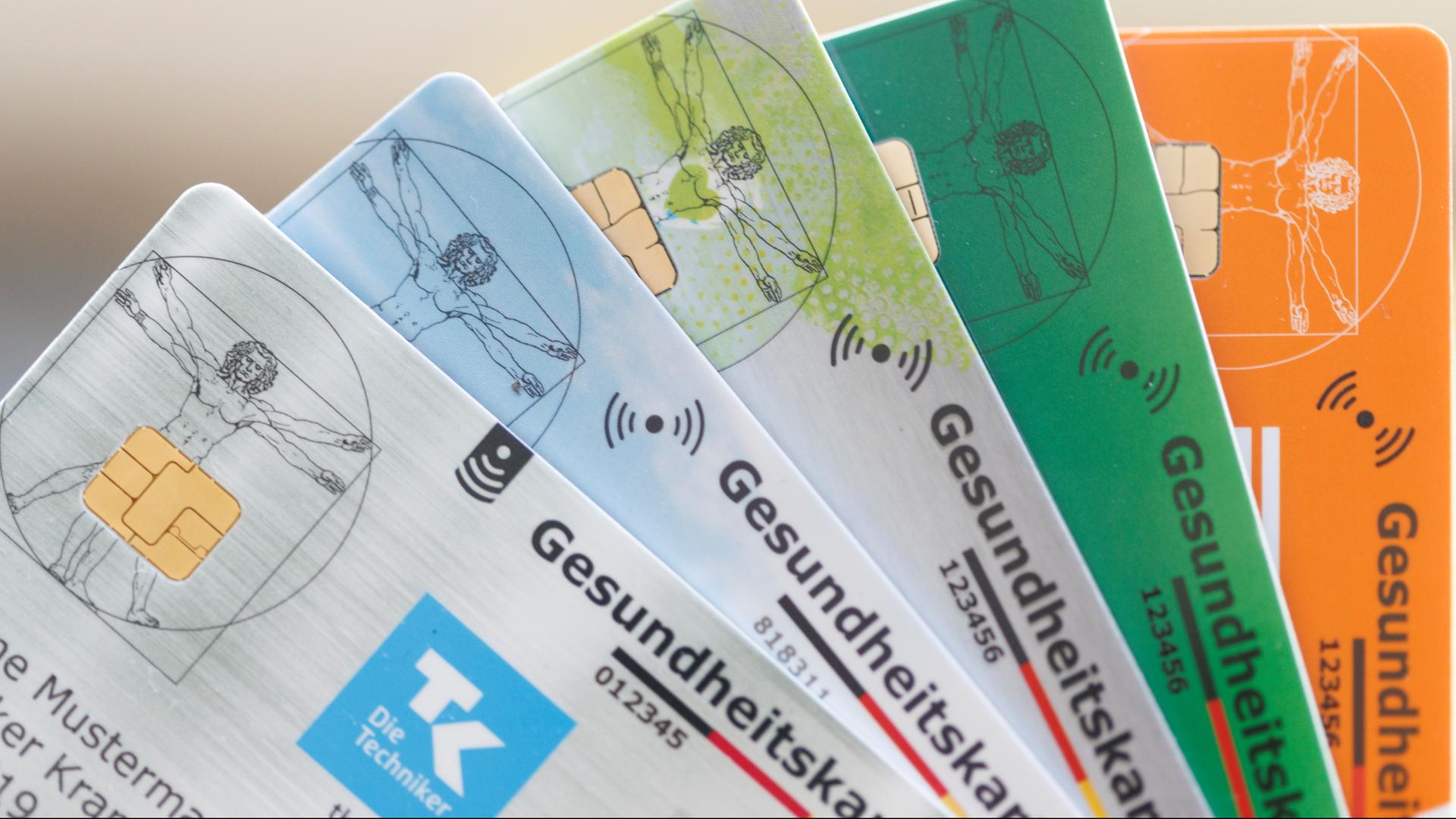
Minister of Health Linnemann wants to reverse the obligation to inform statutory health insurance companies about increases in contributions. Consumer advocates in particular had sharply criticised the abolition of duty.
Minister of Health Linnemann wants to reverse the obligation to inform statutory health insurance companies about increases in contributions. Consumer advocates in particular had sharply criticised the abolition of duty. A little more than two months ago, the Bundestag and Bundesrat approved the austerity package put together by the black-red government coalition, which aims to make substantial savings in health spending. But now Federal Health Minister Carsten Linnemann wants to overturn one of the regulations contained in the package.
In the future, statutory health insurance companies should again be obliged to inform insured persons if contributions are increased. "Contribution rates are crucial information for the insured," the CDU politician explained to the Rheinische Post. Linnemann took over the post as Federal Minister of Health at the end of July as part of a personnel takedown in the Federal Cabinet. He was officially sworn in as a minister in September.
The return to the obligation to provide information is about the trust of the insured in the statutory health insurance funds, Linnemann continued. As the Rheinische Post reported, citing Linnemann's ministry, the obligation to provide information is to be reintroduced as part of further changes in the so-called contribution rate stabilisation law. The goal: less costs through less bureaucracy With the decision of the austerity package in July, the statutory health insurance companies were released from the obligation to actively inform their members by letter if they increase their additional contribution. With the abolition of the obligation to provide information, the Federal Government wanted to reduce the costs incurred through bureaucracy.
For the letters to insured persons alone, in which information about premium increases was provided, millions of euros in costs for material and postage were incurred. According to industry estimates, they amounted to one to two euros per letter. According to the umbrella association of statutory health insurance funds (GKV), about 75 million people in Germany are insured by law. Consumer defenders saw the rights of insured persons weakened Consumer defenders were strongly criticised for not being obliged to provide information.
As a result, there is a risk that the insured will notice the plus in premiums too late, which in fact undermines an existing special right of termination. Without this special right of termination, insured persons are bound to their current fund for at least twelve months. However, in the event of timely knowledge of increases in contributions, insured persons can cancel this right by the end of the month in which the increased additional contribution first takes effect. Therefore, the chairwoman of the Federal Association of Consumer Centres, Ramona Pop, expressly welcomed Linnemann's announcement.
This is "an important and overdue signal," she also stressed in an interview with the Rheinische Post. Only in this way would the insured be able to exercise their special right of termination and check whether a change would be worthwhile. Oliver Blatt, Chairman of the Executive Board of GKV-Spitzenverband, was also open to a new duty to provide information. "Of course, it is good and right that health insurance companies inform their policyholders if there is a change in the contribution rate," he said, but at the same time pressed for ways to be able to announce contribution changes digitally.
What the statutory health insurance companies would not need "are bureaucratic requirements that do not create any real added value, but only lead to an increase in administrative costs".