Germany
First reform steps decided: What should change in care
Published September 30, 2026
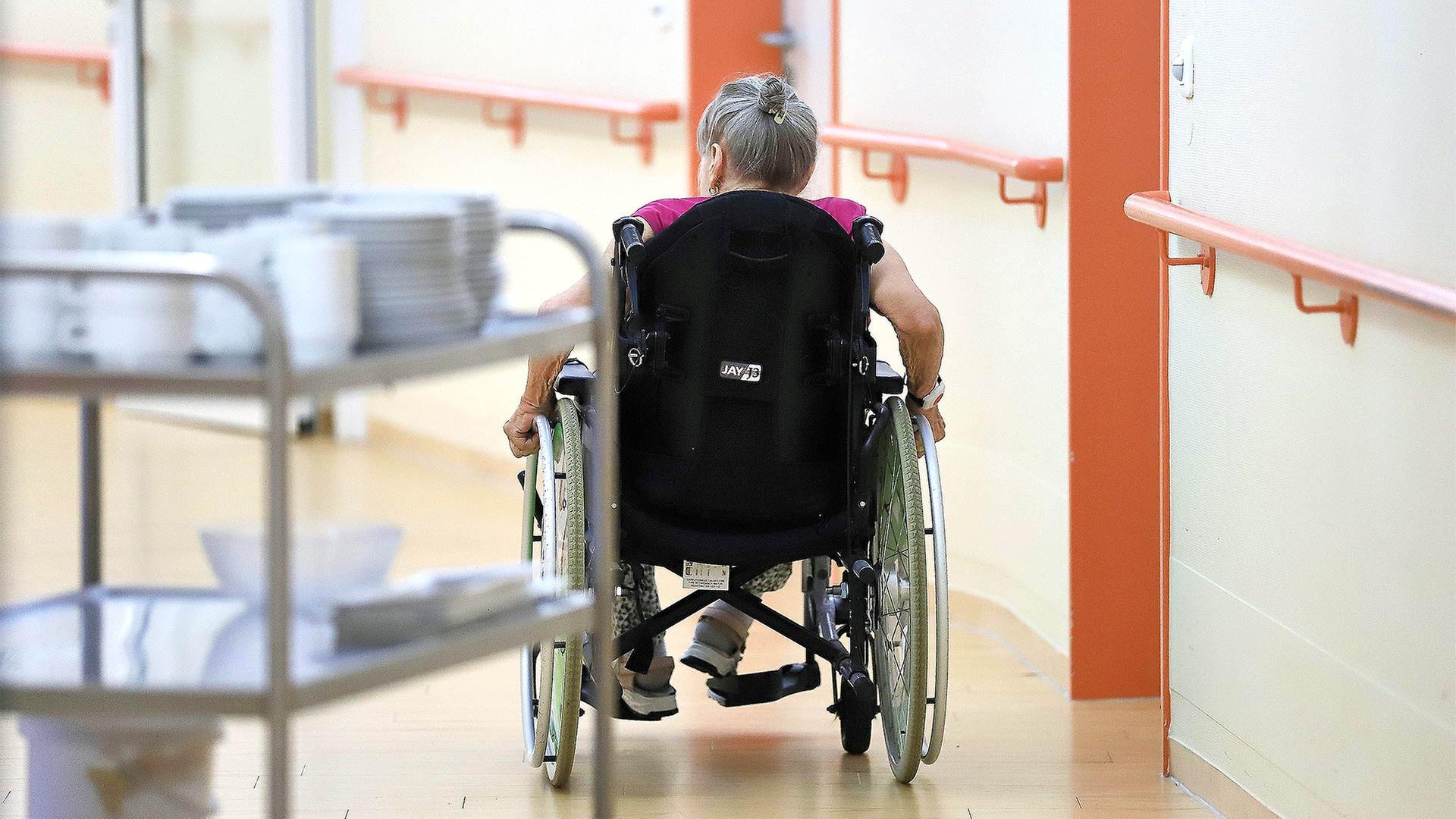
After a long struggle, the Federal Government has agreed on a "nursing care regulation law". Initially, this relies on keeping the system running. It will be more expensive for the childless. What else should change - an overview.
After a long struggle, the Federal Government has agreed on a "nursing care regulation law". Initially, this relies on keeping the system running. It will be more expensive for the childless. What else should change - an overview.
After a long struggle, there is a breakthrough in the care reform: The Cabinet agreed on the draft of the "Care Regulation Act", which primarily aims to avert the expected financial gap of around eight billion euros in the coming year. Comprehensive structural reforms were excluded because the Union and SPD apparently could not find any compromises on important detailed issues. Federal Health Minister Carsten Linnemann therefore also speaks of a "first important step" towards stabilising the care system. What the round agreed on: surcharges and contributions According to Linnemann, savings are needed to bring the finances into balance.
While the general contribution rate remains stable at 3.6 percent, the surcharge for the childless increases by 0.3 percentage points to 0.9 percent. The contribution assessment limit for long-term care insurance will be increased by 300 euros per month, which is less than initially planned. The limit is currently 5,812.50 euros or 69,750 euros per year. Up to this amount, the gross income is used for long-term care insurance.
Anything earned beyond that will remain non-contributory. From next year, a contribution surcharge of 0.52 percent will be charged for co-insured spouses or life partners. Exceptions should apply, for example, to parents of children with disabilities or carers. The long-term care insurance, on the other hand, continues to fully cover the pension insurance contributions for caring members and relatives - contrary to what was originally planned.
From 2029, there should be an annual increase in long-term care insurance contributions based on inflation. Contributions to long-term care insurance will also be due for mini-jobs in the future. This is expected to generate annual revenues of 1.4 billion euros. Changes in care levels There will be changes in the assessment of people who may be dependent on a care level.
The ministry remains vague here; it speaks of the fact that the "assessment system" will be adapted and that care levels 1 to 3 should be assigned "more precisely" in the future. For example, the discussion had been about no longer granting certain aids in everyday life beyond the actual care. An inventory protection applies to all people who have already been classified in a degree of care. For care level 1, the so-called relief contribution of 131 euros per month is to be eliminated for home care.
Care in acute situations The care in acute nursing situations should be improved, from 2028 there should also be acute short-term care places. Linnemann also announced a bridging budget that can be used for emergency services in outpatient care as well as full inpatient short-term care. For families with children in need of care, a so-called social room budget of up to 300 euros per month is introduced, i.e. around 3,600 euros per year. According to Linnemann, this can be used to finance recognised offers of support in everyday life, including individual helpers recognised by nursing insurance funds.
Focus on prevention Under the motto "Rehabilitation instead of care", the design focuses on prevention. Insured persons from the age of 60 will in future be entitled to an early detection examination, the so-called 60+ check-up. The aim is to identify health risks at an early stage and to maintain independence for a long time.
In the future, it should also be "examined more consistently" whether rehabilitation can reduce the need for care. Among other things, with on-site care support, the everyday life of those in need of care and their families should be facilitated. What had the SPD demanded? Until recently, the SPD had called for reforms, called for renegotiations and even threatened a blockade in the cabinet.
A spokesman for Finance Minister Lars Klingbeil (SPD) stressed that it was crucial to make care "fairer" through fundamental reforms. The SPD called for a "nursing cover" against the rapidly increasing personal contributions that home residents have to pay themselves. Health Minister Linnemann was sceptical about the "nursing cover". He only saves around 300 euros a month and does not solve the problem, he said in the report from Berlin.
The SPD also demanded a financial balance between private and social long-term care insurance. The idea of such a solidarity mechanism is not new. The background is that private insured persons tend to have higher incomes and a lower risk of dependency than people in statutory long-term care insurance. However, Linnemann sees major legal problems here.
There are high constitutional hurdles because it interferes with property. What's next? The debate on major structural reform has been postponed. This is now to be discussed again by the Commission in order to "make the care system even more fundamentally and structurally fit for the 1930s," says Linnemann.
The Cabinet will decide on the order next week. The expert panel should submit proposals by the end of January 2027. His goal is a cabinet decision by Easter, so that the structural reform can enter into force on 1 July 2027, Linnemann said.
Why is there a need for reform? The aging society in this country is the biggest cost driver for long-term care insurance. In 2005, 1.95 million people received benefits from long-term care insurance, and by 2025 there were already around six million people. As a result, costs also rose sharply: from around 17 billion euros in 2005 to 70.4 billion euros last year.
The ratio of contributors to beneficiaries has steadily decreased in recent years. In 1998, there were 29 contributors per beneficiary; in 2025, there were only 10. Nursing insurance in the red The income does not follow, which is why nursing care insurance is deep in the red. According to the GKV central association of the statutory health and nursing insurance, it is threatened with insolvency as early as October without further subsidies.
This year, a total deficit of 4.4 billion euros is expected, in 2027 it could be 7.5 billion euros. The social associations also say that long-term care insurance is structurally disadvantaged compared to private providers. Of those insured by law, around eight percent are in such need of care that they take advantage of benefits, compared to only 4.5 percent of those insured by private insurance. Private providers can reject applications for admission, the statutory funds must accept everyone.
Another problem is the shortage of nurses: according to the German Nursing Council, up to 500,000 could be missing by 2034.