Bavaria
Waiting for Diagnosis: When the Body Becomes a Mystery
By Jan Limpert
Published September 25, 2026
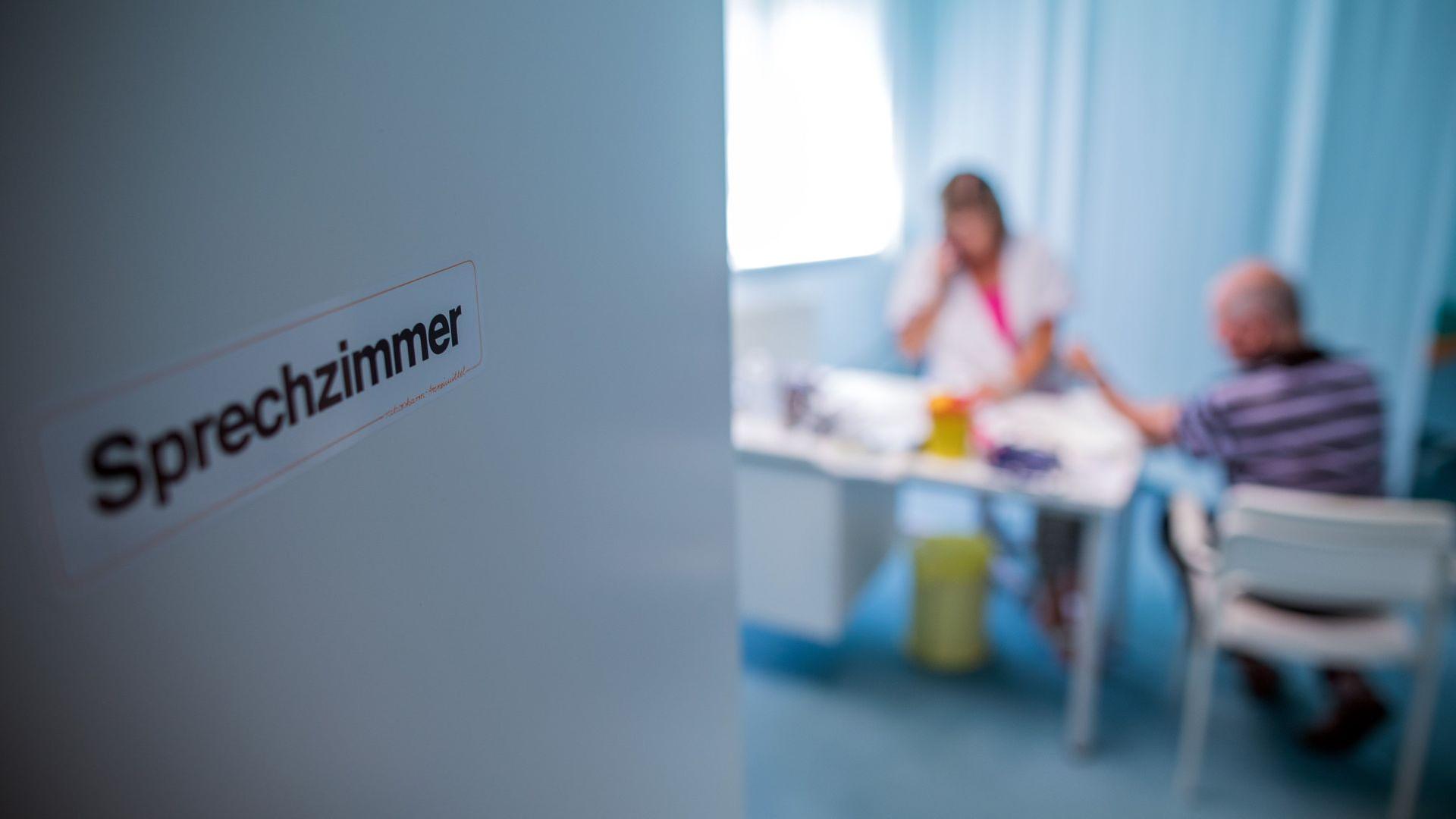
Something is wrong with your own body, but no investigation provides a clear answer. Many sufferers in Bavaria live with pain for years and do not know why. A young patient tells how much this uncertainty weighs on him.
Something is wrong with your own body, but no investigation provides a clear answer. Many sufferers in Bavaria live with pain for years and do not know why. A young patient tells how much this uncertainty weighs on him. From Jan Limpert "A breath, then everything was different", this is how Robin Loc describes the moment when he first felt the symptoms.
The 32-year-old tells of pain and cramps that are almost unbearable, and severe diarrhea, which sometimes lasts for hours. They have been incriminating him since March 2020. An odyssey begins for him. Robin hopes that he can be helped soon.
Many people in Bavaria are waiting for a clear diagnosis – often for several years. Hundreds of thousands of rare diseases affected in Bavaria According to Helge Hebestreit, Director of the Center for Rare Diseases at the University Hospital Würzburg, about five to seven percent of the population in Bavaria are affected by a rare disease. "And if you assume about 13 million inhabitants, there are about 650,000 to 900,000 people in Bavaria," explains the professor. According to estimates, there are between 8,000 and 10,000 rare diseases.
The road to diagnosis can be long. According to the Association of University Hospitals in Germany, rare diseases take an average of five years from the first symptoms to diagnosis. "Red flags" for faster diagnosis There is not always a rare disease behind a long course of treatment. "Then, of course, comes the big task of looking at who really suffers from a rare disease or who perhaps suffers from two or three more common diseases, which in combination make the symptoms very noticeable?", says Hebestreit.
Reminder notes could help doctors to take a closer look at certain symptoms and pre-existing conditions and to check rare diseases earlier. "If we manage to bring these so-called red flags into the hospital information and practice systems, that is certainly helpful." This could also shorten the time to diagnosis for those affected. Symptoms often ambiguous Robin tells us that his symptoms have often been interpreted differently.
Especially in the beginning, the comparison often came to common gastrointestinal diseases. On 49 pages, Robin has documented every visit to the doctor in tabular form. In addition, there are three office folders filled with documents. Hebestreit reports from his professional experience: Due to their frequency, more widespread diseases would be closer.
In addition, the body has only limited possibilities to offer signs of a disease. "For many diseases, there is not one blood test that can be used to diagnose the disease." Restrictions in professional life and everyday life If Robin puts on his old uniform now, it will only fit to a limited extent. There is still room, especially around the hips and shoulders. You can see how much Robin's physique has changed as a result of the disease.
In the meantime, he lost 26 kilograms. In 2017, he started his career with the Bundeswehr. He was unable to continue his work in 2022 due to illness. He lives on the money he gets from the office, he explains.
Other professions are also currently impossible to practice. His great hope is that at some point he will be able to return to the Bundeswehr without symptoms through therapy. Robin is also severely restricted in everyday life. At any time there could be severe diarrhea and cramps.
His body can barely tolerate food. He only eats at fixed times. The choice of foods is short: carrots, potatoes, rice, homemade bread, minced meat, oatmeal. He has compiled the list of ingredients himself.
Dietary advice would have done him no good: "I have to eat something so as not to lose too much weight". Robin's hope: Music Robin is often quickly exhausted, even if his stomach and intestines leave him alone. Sometimes it only takes two hours for him to produce music on the PC. "Sometimes I have to sleep for hours to recover from it." But music helped him to process the past few years and the uncertainty about his clinical picture.
Robin has registered a small business where he wants to earn something with his music. As Robin Sky, he produces songs and uses his experiences from previous years. This is the European perspective at BR24. "Here's Bavaria": The Br24 NEWSLETTER informs you about the most important things of the day at a glance – compactly and directly in your private mailbox – every Monday to Friday after work.
Click here to register! Source: Frankenschau aktuell
09/25/2026 - 15:30